
Research
Tool and Resource Development
We develop open source resources that can drive innovation and accelerate the discovery of novel therapeutic strategies for pediatric brain tumor research. Our newest tool, TAPESTRY, was developed by Dr. Patricia Sullivan, with tumor-enriched junction data generated by Dr. Ryan Corbett and AWS infrastructure support from Dr. Chao Di.
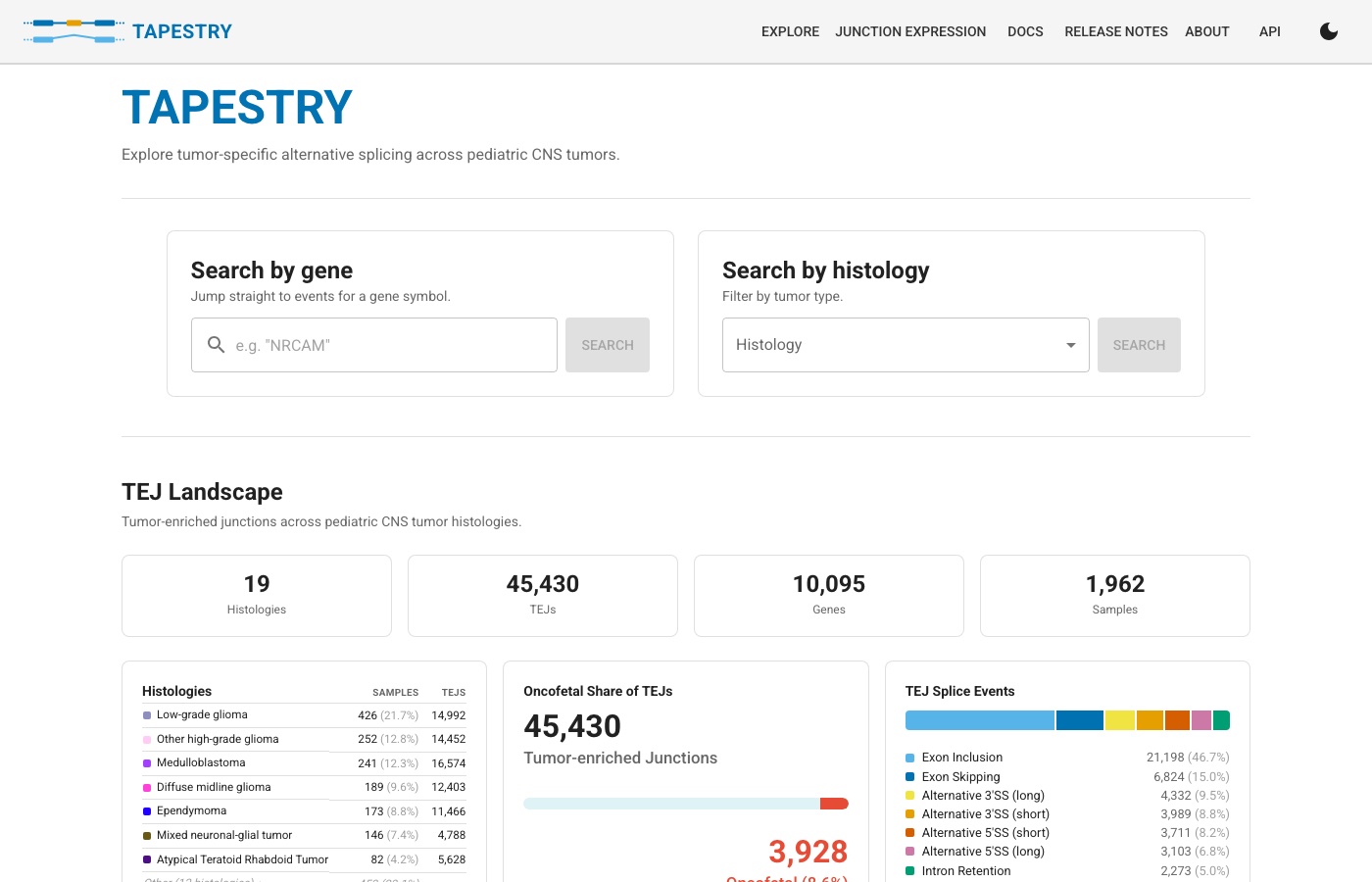
An interactive web application and API for exploring tumor-enriched splice junctions across pediatric brain tumors. Explore it at tapestry.rokitalab.com.
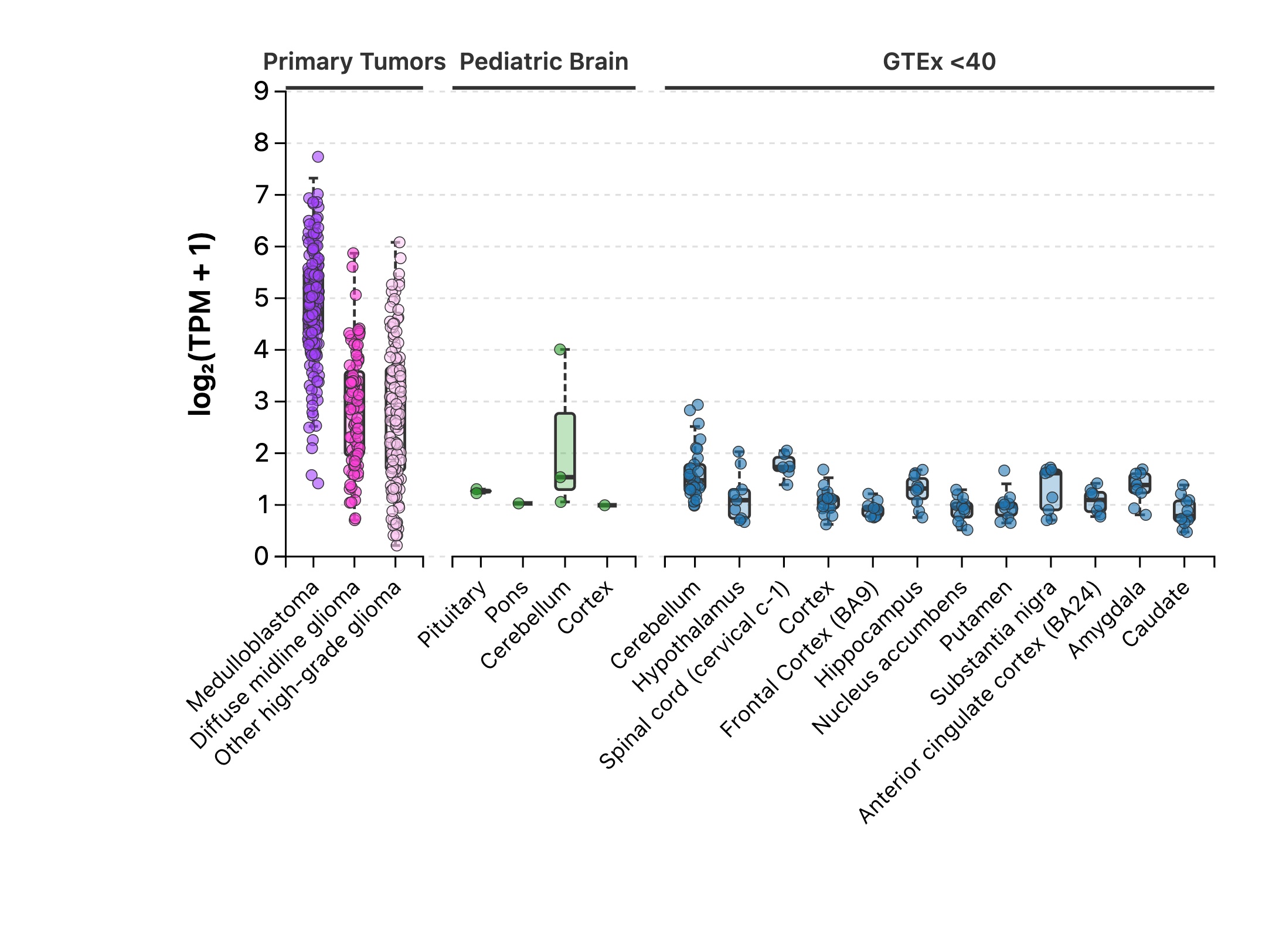
A lightweight web application for comparing gene expression in pediatric tumors against normal tissue controls, with publication-ready plot export.
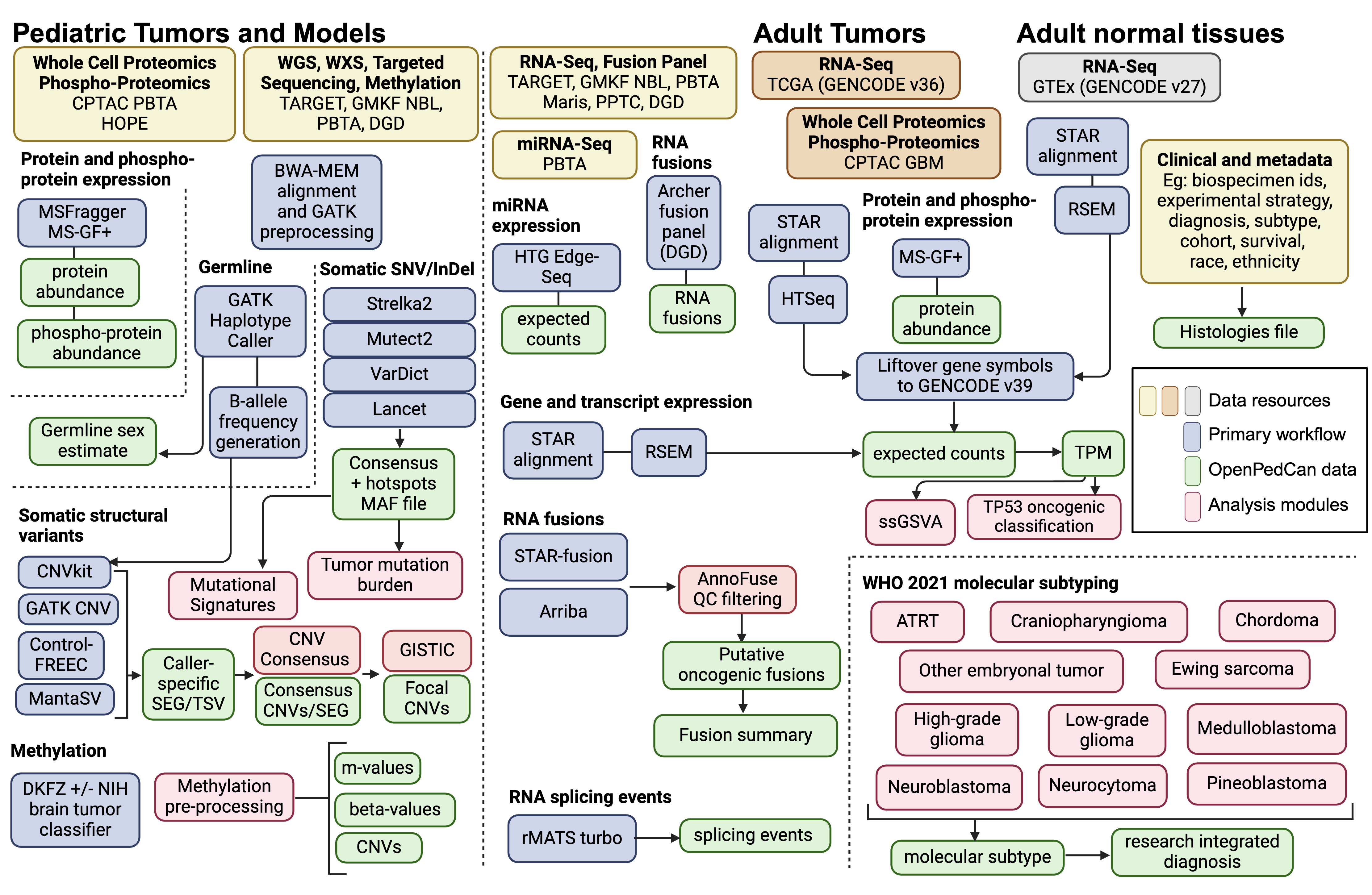
A harmonized open-source multi-omic dataset from > 6,000 pediatric cancer patients with > 7,000 tumor events across more than 100 histologies.
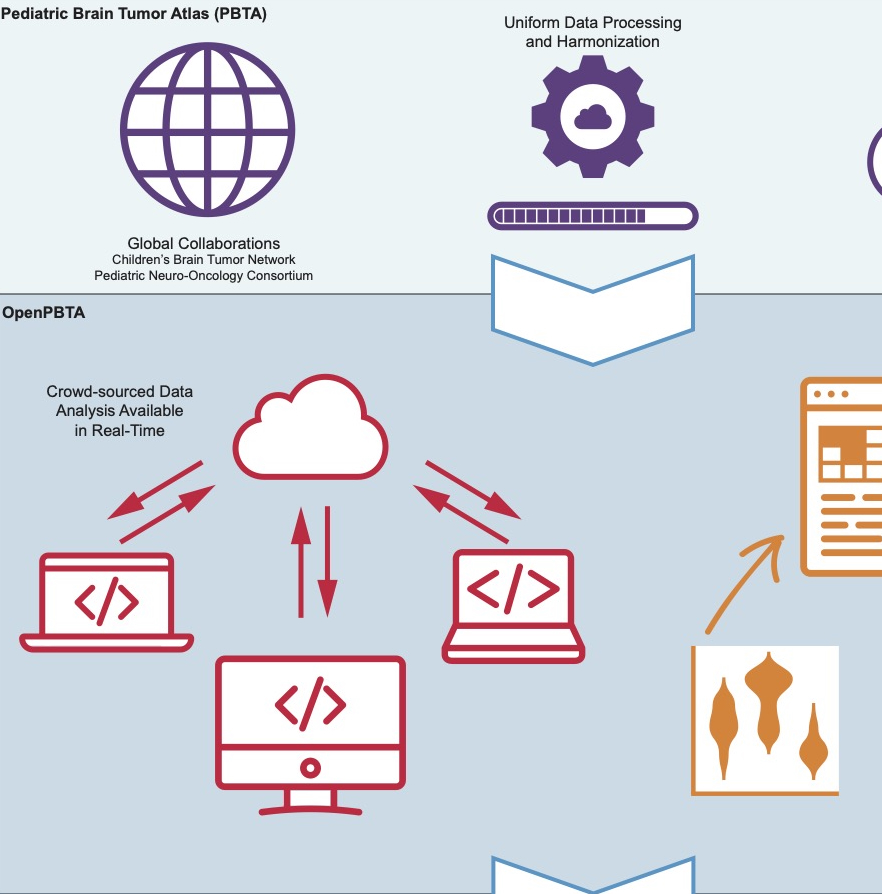
A global open science initiative, co-led with the Childhood Cancer Data Lab, characterizing over 1,000 pediatric brain tumors.
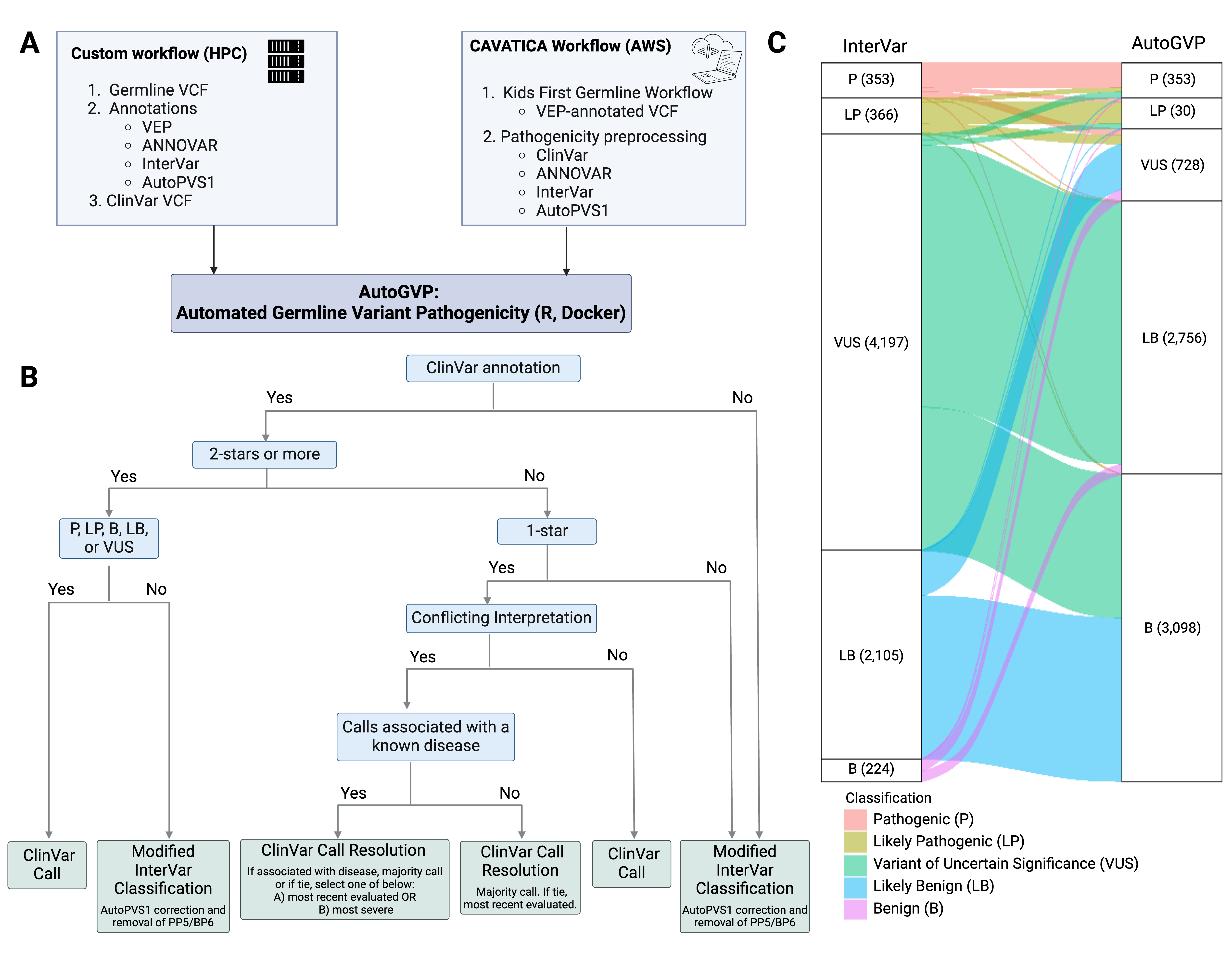
A dockerized workflow integrating ClinVar and InterVar germline sequence variant classification, with a companion CAVATICA preprocessing app.
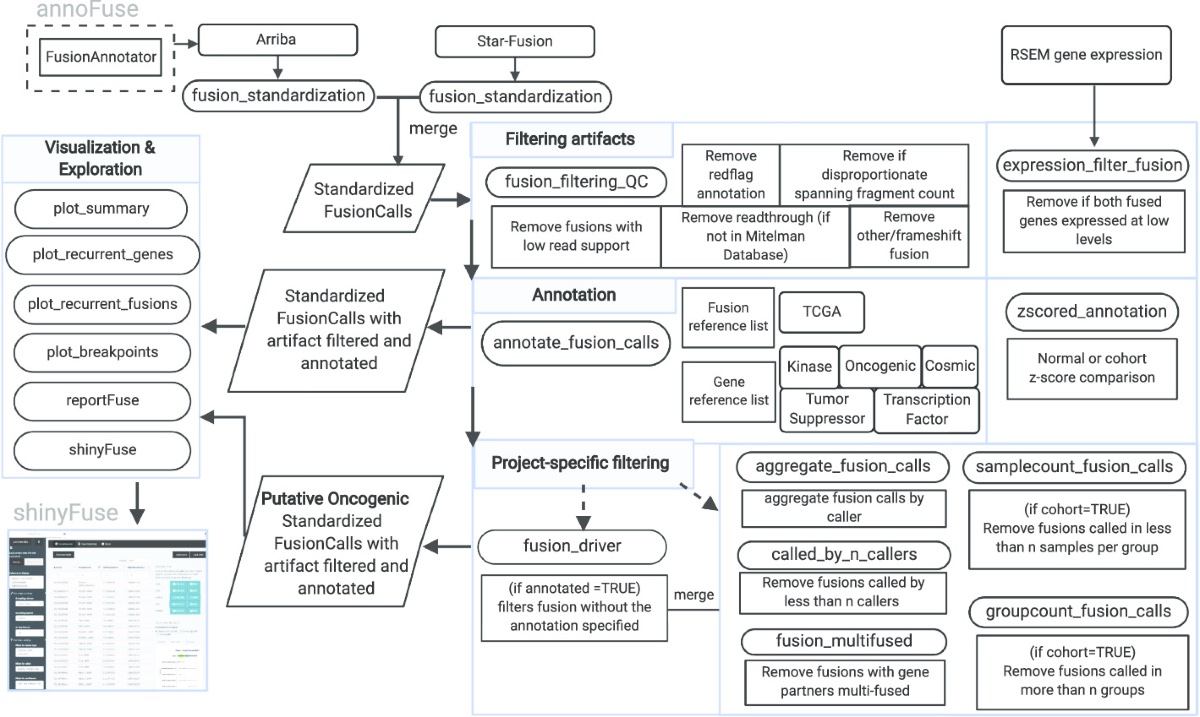
An R package and companion RShiny application to annotate, prioritize, and interactively explore putative oncogenic RNA fusions.
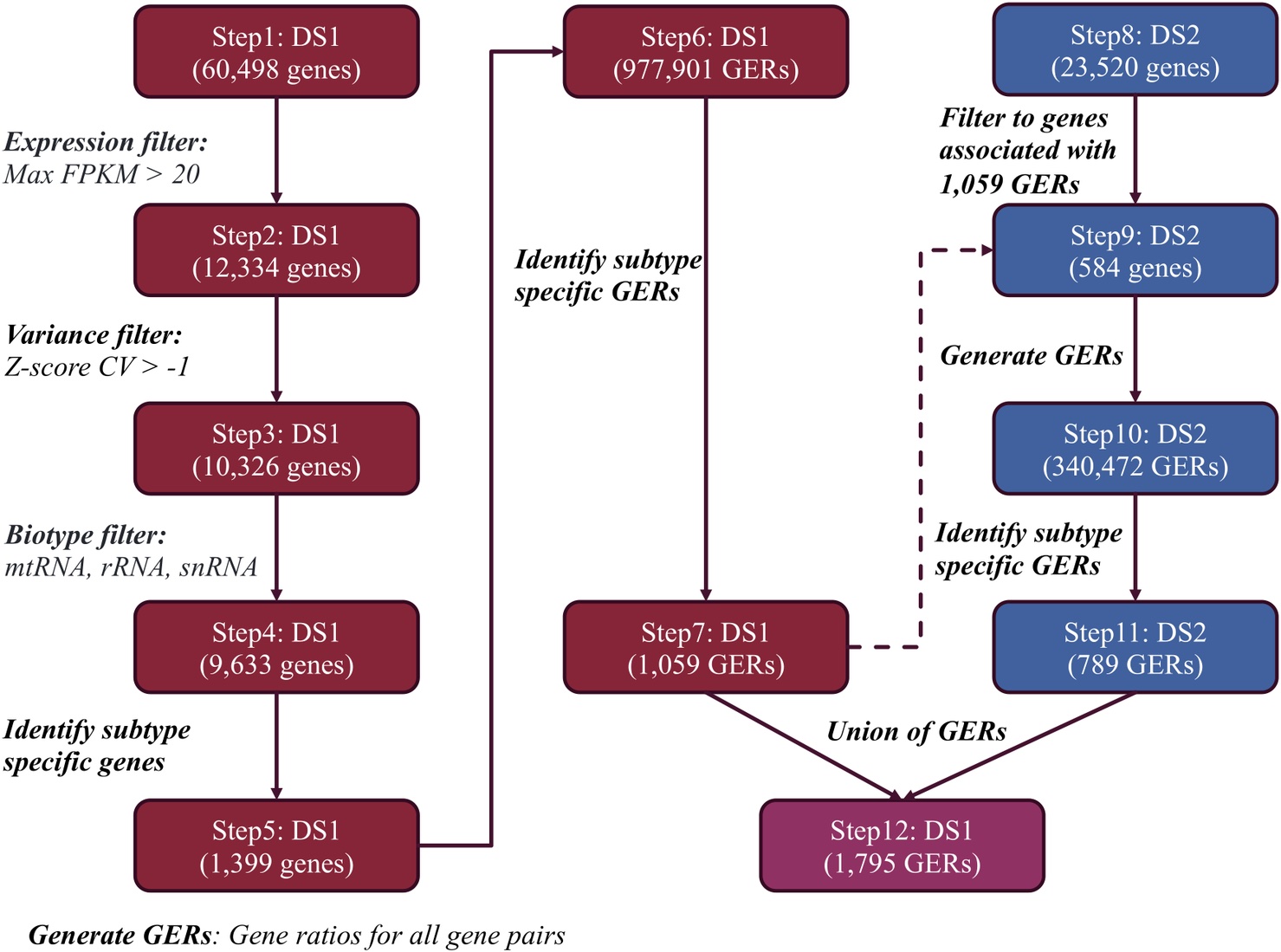
A transcriptome-based classifier that assigns medulloblastoma samples to WNT, SHH, Group 3, and Group 4 subtypes using gene expression ratios.
Integrative Multi-omics Approach
Our research harnesses the power of integrative multi-omics to unravel the complexities of pediatric brain tumors. By combining genomics, transcriptomics, and proteomics, we investigate how RNA splicing drives tumor formation and progression, and prioritize splice-derived peptides as candidate tumor-specific vulnerabilities for personalized immunotherapy. In collaboration with Dr. Sharon Diskin, we also characterize patient and parental germlines to pinpoint pathogenic variants that predispose patients to brain tumor development.
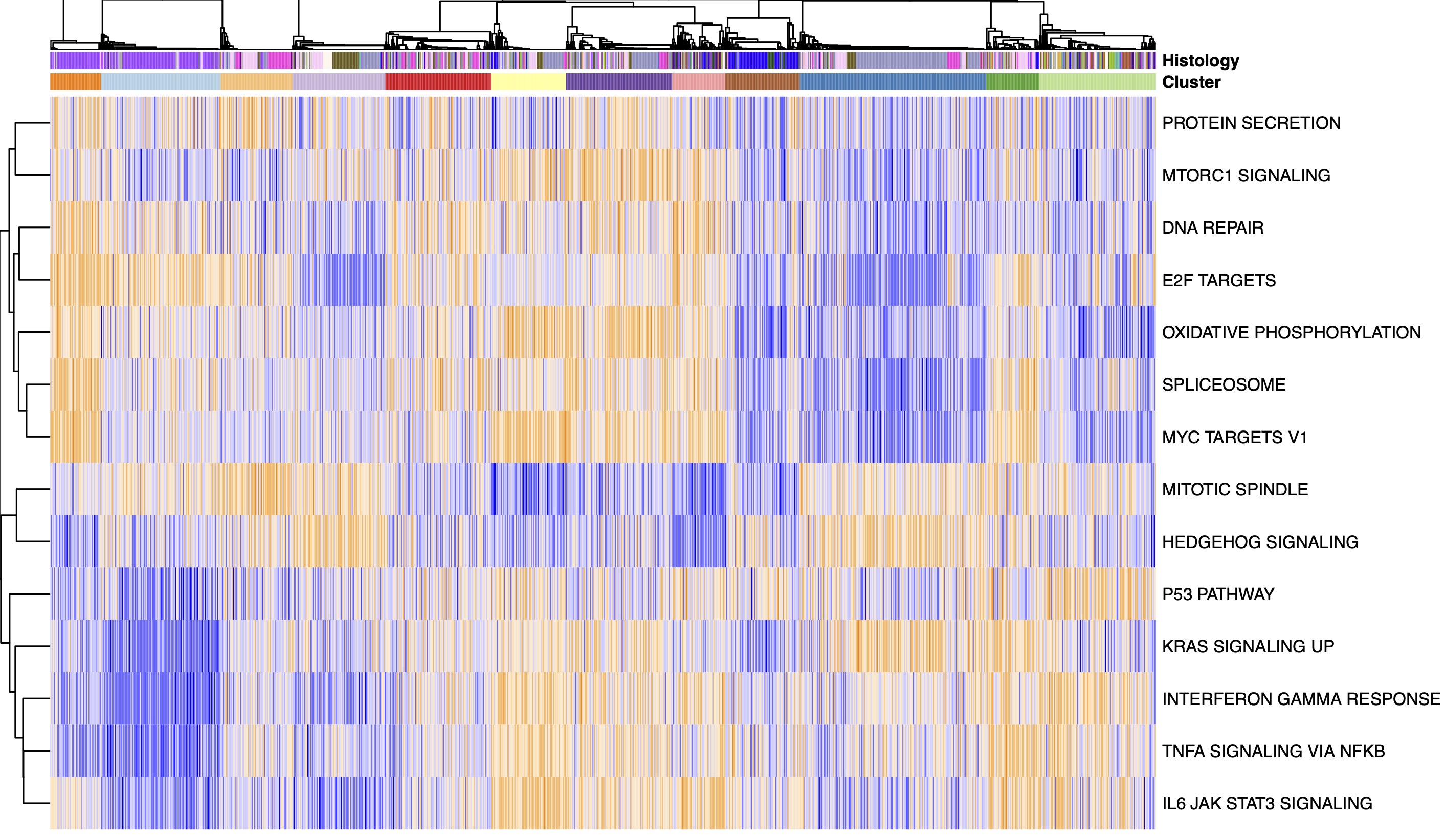
Alternative splicing in pediatric central nervous system tumors highlights oncofetal candidate CLK1 exon 4.
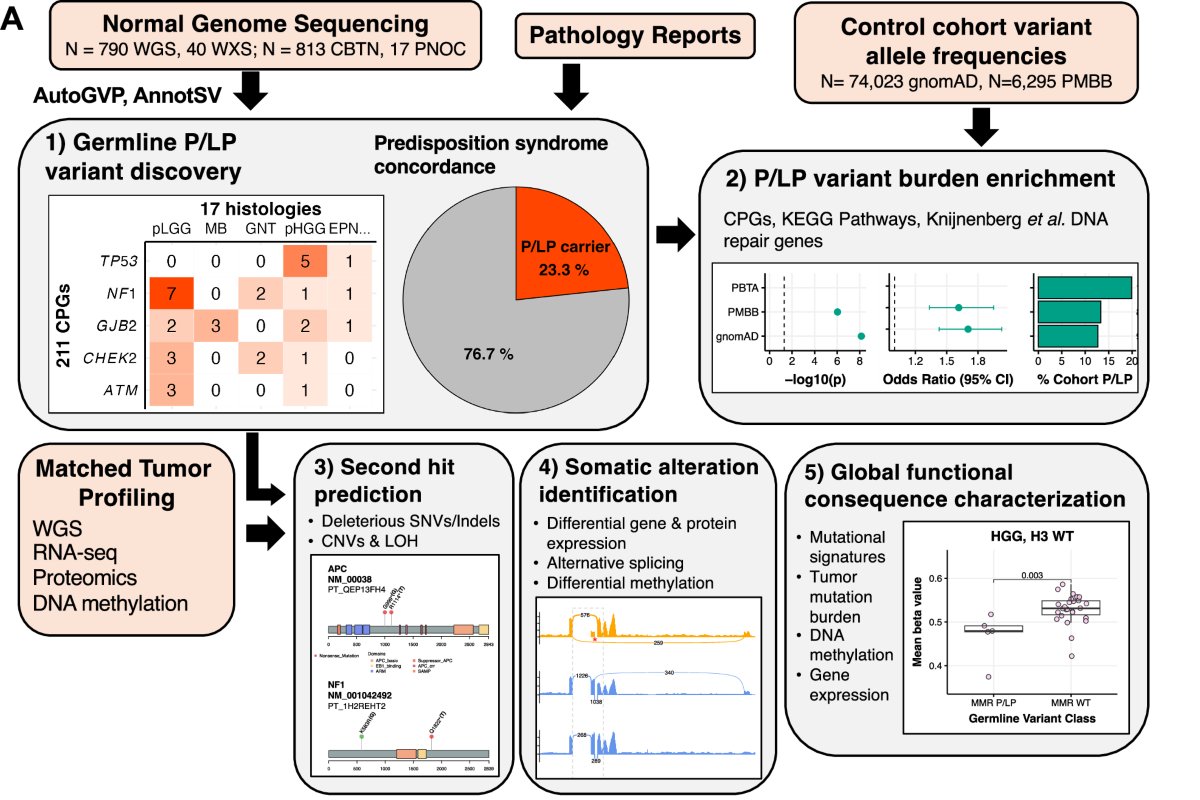
Germline pathogenic variation impacts somatic alterations and patient outcomes in pediatric central nervous system tumors.
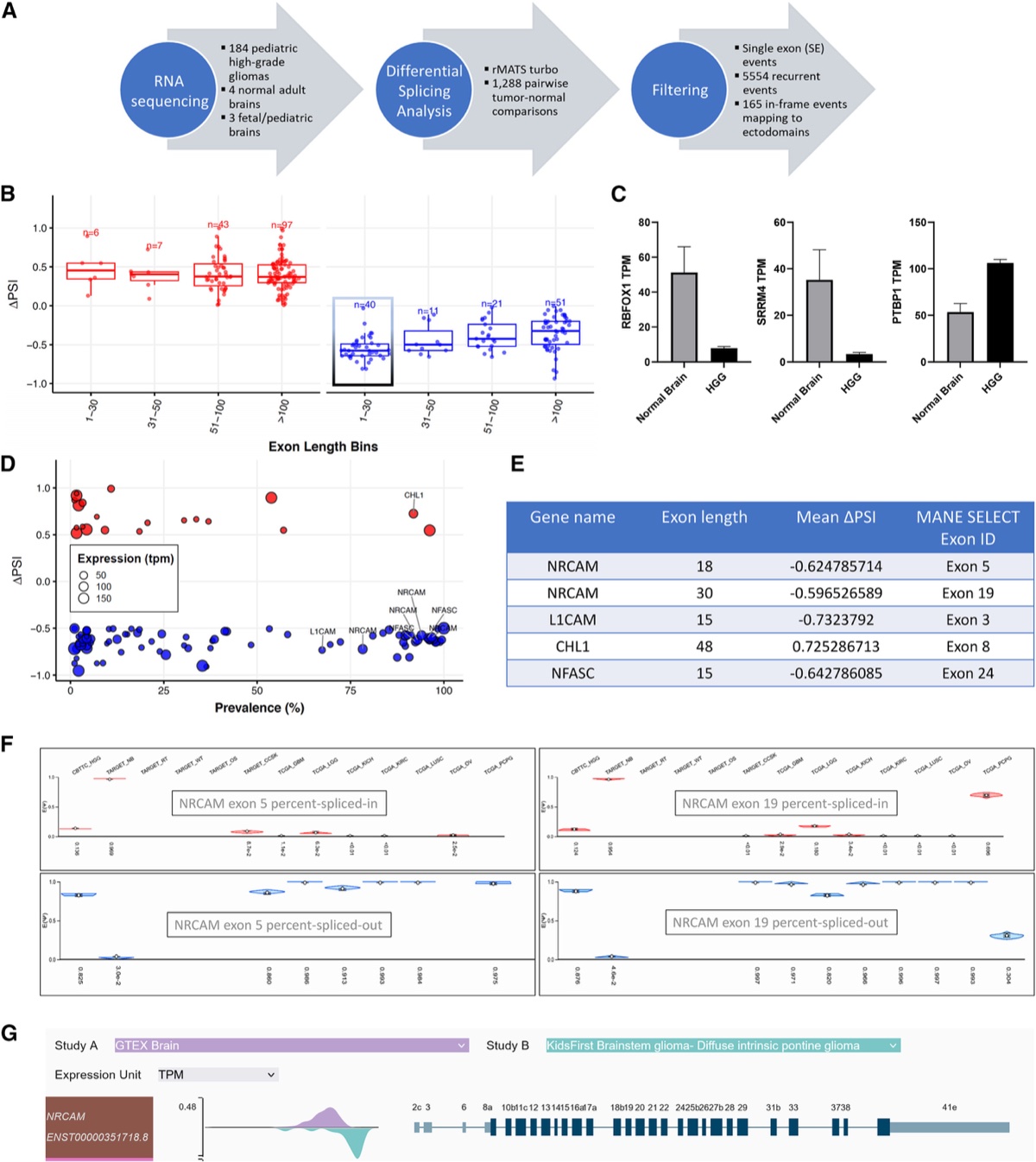
An NRCAM variant defined by microexon skipping is a targetable cell surface proteoform in high-grade gliomas.
Clinical Trial Support
We bring real-time bioinformatics to the clinic, analyzing patient tumor data to help guide personalized treatment strategies for children with brain tumors.
IMPACT: Immunotherapy for Malignant Pediatric Brain Tumors Employing Adoptive Cellular Therapy (IMPACT) is a phase 1 interventional study led by Dr. Brian R. Rood. It tests personalized tumor-specific antigen T cells (TSA-T), which target proteogenomically determined antigens from each patient’s own tumor, in children under 5 years of age with embryonal brain tumors. As a sub-investigator, Dr. Rokita led a team of bioinformatics scientists and engineers in developing and implementing the IMPACT bioinformatics workflows, which are available on GitHub.
SUPERNOVA-RBT: SUPERNOVA-RBT is a pilot interventional study led by Dr. Adriana Fonseca that tests real-time drug screening and genomic sequencing of tumor tissue taken during surgery, in children and young adults with relapsed ultra-rare brain tumors. A specialized tumor board uses the results to assign a personalized treatment plan. As a sub-investigator, Dr. Rokita oversaw the bioinformatic integration of genomic, transcriptomic, and drug-screen data, which places each tumor’s response to therapy in its molecular context.
Health Disparities
We are deeply passionate about exploring the impact of social determinants of health, race, ethnicity, and genetic-based ancestry on pediatric brain tumors. In collaboration with Dr. Cassie Kline, we identified significant associations between genetic ancestry superpopulations, CNS tumor histologies and molecular subtypes, patient survival, and upfront treatment approaches.
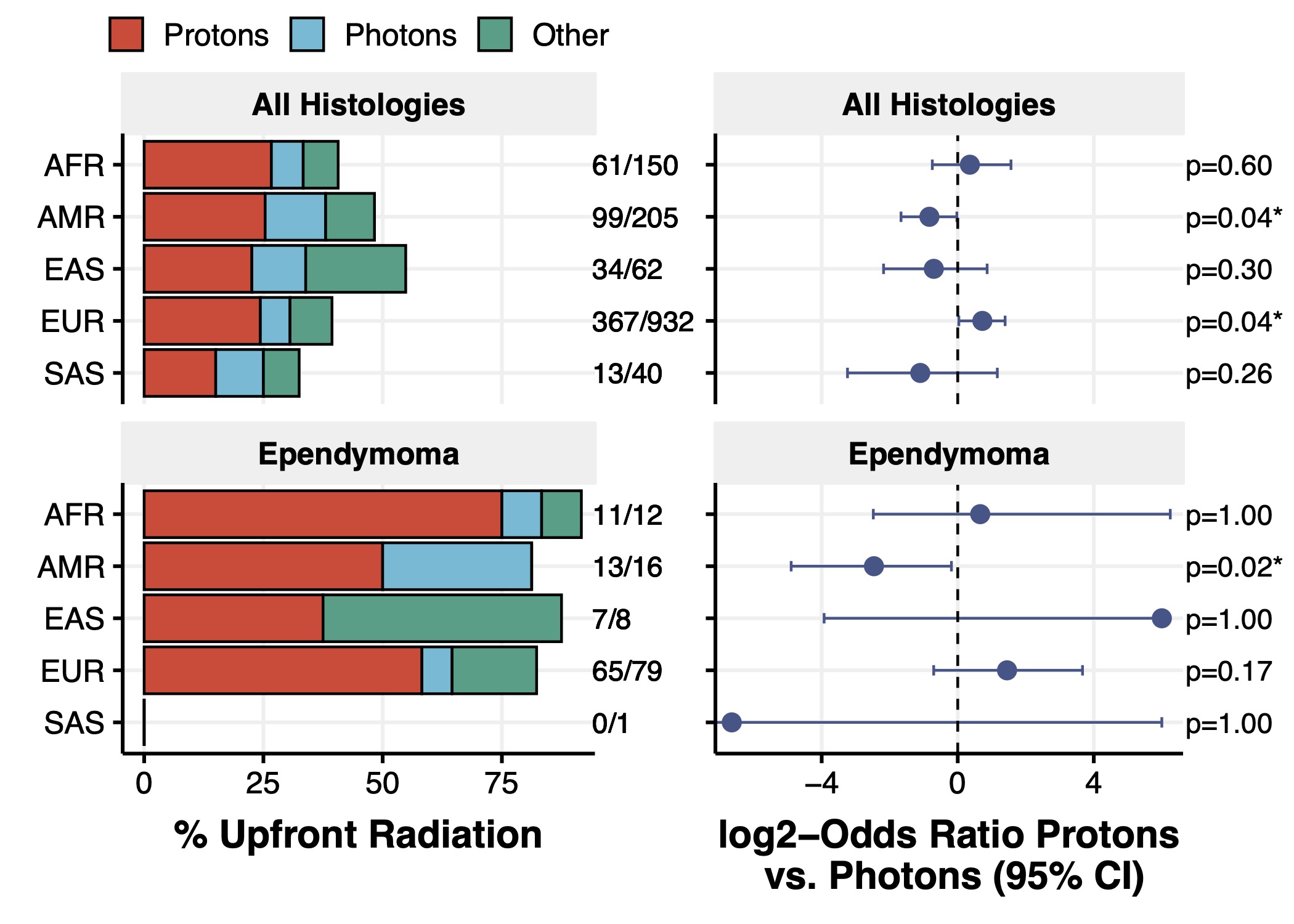
Distinct associations of genetic ancestry-based superpopulations exist within pediatric CNS tumor histologic and molecular subtypes and correlate with survival outcomes and treatment.